
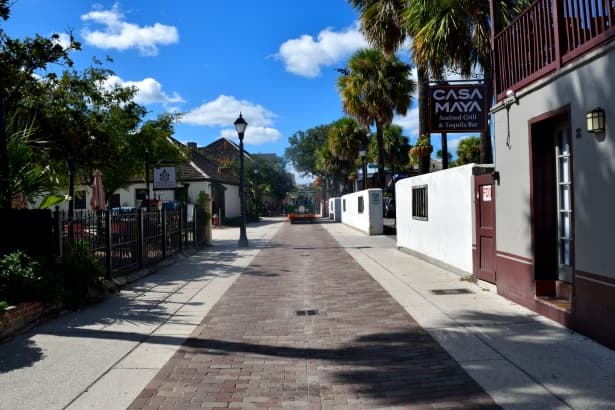
Pest control for historic homes in St. Augustine requires a different approach than treating a modern build in Nocatee or World Golf Village. The nation's oldest city is home to hundreds of properties dating back decades — and in some cases, centuries. These homes have character, charm, and history. They also have pest vulnerabilities that newer construction simply doesn't.
As a local St. Augustine exterminator, Bug Mechanix has treated historic properties throughout the downtown Historic District, Lincolnville, Davis Shores, and the Castillo de San Marcos area. Here's what every historic homeowner in St. Augustine needs to know about keeping pests out without compromising your home's character.
Why Historic Homes Attract More Pests
Older homes weren't built with modern pest prevention in mind. Before the 1970s, most residential construction in Florida lacked the pest barriers, sealed foundations, and treated lumber that are standard today. That means historic St. Augustine homes have structural characteristics that pests exploit.
Construction Materials and Methods
Historic homes in St. Augustine often feature:
- Untreated wood framing that is highly vulnerable to termite damage
- Coquina and tabby foundations with natural cracks and gaps that allow pest entry
- Pier-and-beam construction creating crawl spaces where moisture and pests accumulate
- Original wood windows and doors with gaps too large for modern weatherstripping to fully seal
- Cedar shake or wood shingle roofing on some properties, providing direct wood-to-pest contact
Every one of these features gives pests — especially termites, cockroaches, and rodents — easier access to your home compared to modern slab-on-grade construction with treated lumber and sealed penetrations.
Moisture and Humidity
St. Augustine's coastal humidity is a pest magnet, and older homes handle moisture differently than modern builds. Many historic properties lack modern vapor barriers, have limited or no air conditioning in certain areas (attics, crawl spaces, enclosed porches), and have plumbing that has been retrofitted over decades — sometimes creating hidden leaks.
Moisture is the single biggest factor driving pest activity in Florida. Cockroaches, termites, silverfish, and many ant species are attracted to damp environments. A historic home with poor moisture management is essentially an open invitation.
Decades of Settling and Wear
Over 50, 100, or even 200 years, homes settle. Foundations shift. Wood warps. Mortar between coquina blocks erodes. These natural aging processes create the gaps, cracks, and openings that pests need to enter.
A modern home might have a dozen potential pest entry points. A historic home can have hundreds — many of them hidden behind original plaster, inside wall cavities, or beneath flooring that hasn't been lifted in generations.
The Most Common Pests in Historic St. Augustine Homes
Termites — The Biggest Threat
Termites are the number one concern for historic homeowners in St. Augustine. Florida's warm, humid climate supports three termite species, and all of them thrive in the conditions found in older construction.
Subterranean termites build mud tubes from the soil to reach wood in your home. Historic homes with pier-and-beam foundations or ground-level wood are especially vulnerable. We regularly find active subterranean termite colonies in properties near the Bayfront and throughout the 32084 zip code.
Drywood termites don't need soil contact at all — they live entirely within the wood they consume. This makes them particularly dangerous in historic homes because they can infest structural timbers, antique furniture, hardwood floors, and decorative woodwork. Drywood termites are common throughout the St. Augustine Beach and Anastasia Island areas (32080 zip code).
Formosan termites are an aggressive subterranean species that builds larger colonies and causes damage faster than native subterranean termites. They've been documented in Northeast Florida and represent a growing threat to historic properties.
If you own a historic home in St. Augustine, annual termite inspections aren't optional — they're essential. Learn the 5 signs you have termites so you can catch problems early.
Cockroaches — Year-Round Residents
American cockroaches (palmetto bugs) and smokybrown cockroaches are practically unavoidable in historic St. Augustine homes. These large outdoor roaches enter through gaps around doors, windows, pipes, and utility lines — all of which are more prevalent in older construction.
German cockroaches are an even bigger concern because they live and breed indoors, particularly in kitchens and bathrooms. In historic homes with original plumbing, the spaces behind walls and under cabinets provide ideal harborage.
Professional cockroach control for historic homes focuses on targeted gel baits and crack-and-crevice treatments that eliminate colonies without requiring extensive access to wall voids or structural modification.
Rodents — Attic and Wall Invaders
Roof rats are extremely common in historic St. Augustine neighborhoods, especially in areas with large live oak trees. These rats use overhanging branches as highways to reach your roof, then enter through gaps in soffits, fascia boards, ridge vents, and deteriorated eave areas.
Older homes also have more wall cavity space and less insulation, giving rodents room to nest and travel throughout the structure. We've treated rodent infestations in historic homes where rats had been living in wall voids for months before the homeowner heard the first scratching.
Ants — Persistent Invaders
Fire ants build mounds in yards throughout St. Augustine, but carpenter ants are a particular concern for historic homes. Carpenter ants excavate damp or damaged wood for nesting — and historic homes have plenty of it. Unlike termites, carpenter ants don't eat wood, but the tunnels they create can cause significant structural damage over time.
Ghost ants and sugar ants also plague historic home kitchens, entering through the countless small openings that older construction provides.
How to Protect a Historic Home from Pests
1. Schedule Annual Professional Inspections
The most important thing you can do is have your historic home professionally inspected at least once per year. Annual inspections catch termite activity, rodent entry points, moisture issues, and other pest-conducive conditions early — when they're cheaper and easier to address.
At Bug Mechanix, our inspections for historic homes are thorough. We check foundations, crawl spaces, attics, wood structures, and all accessible areas for signs of current or past pest activity.
2. Address Moisture Issues First
Before any pest treatment, address moisture. Fix leaking pipes, improve crawl space ventilation, ensure gutters and downspouts direct water away from the foundation, and consider a dehumidifier for enclosed areas with poor airflow.
Reducing moisture doesn't just make pest treatments more effective — it protects the structural integrity of your historic home.
3. Seal Entry Points Without Compromising Character
Pest exclusion — sealing the gaps and cracks pests use to enter — is critical for any home, but historic properties require a careful approach. You can't just spray foam every crack in a 150-year-old coquina wall.
We use period-appropriate sealing methods wherever possible: copper mesh for weep holes, exterior-grade caulk that matches existing materials, and hardware cloth for larger openings. The goal is effective pest exclusion that respects the home's historic character.
4. Use Targeted, Low-Impact Treatment Methods
Historic homes often have features that make broad-spectrum spraying inappropriate — original plaster, antique hardwood, sensitive finishes. We use targeted treatment methods that put the product exactly where pests are, minimizing contact with historic surfaces:
- Gel baits placed in cracks and crevices for cockroaches and ants
- Bait stations for termites and rodents, avoiding drilling into historic foundations
- Dust applications in wall voids and attic spaces
- Perimeter treatments around the exterior foundation
- Monitoring stations to detect new activity early
5. Maintain Quarterly Professional Service
Florida's year-round pest pressure means one treatment isn't enough. Our quarterly maintenance plans provide continuous protection with seasonal adjustments — addressing termite swarms in spring, mosquitoes in summer, rodent entry prevention in fall, and general pests year-round.
For historic homes, quarterly service also means quarterly inspections — giving us regular opportunities to catch new issues before they become expensive problems. Learn more about how often you should get pest control in Florida.
What About DIY Pest Control for Historic Homes?
We understand the impulse to handle pest control yourself — especially if you're already doing extensive maintenance on a historic property. But DIY pest control in historic homes carries risks that aren't present in modern construction:
- Over-the-counter sprays can damage original wood finishes, plaster, and decorative elements
- Foggers (bug bombs) push pests deeper into wall voids and contaminate surfaces
- Incorrect termite treatment can scatter colonies, making professional treatment harder later
- DIY rodent control often misses entry points, leading to recurring infestations
Professional pest control for historic homes uses targeted products applied by trained technicians who understand both pest behavior and the unique needs of older construction.
Preserving St. Augustine's History — And Your Home
St. Augustine's historic homes are treasures. The Flagler-era mansions, the Lincolnville cottages, the Spanish colonial revivals — they all tell the story of America's oldest city. But time and pests don't care about history. Left unprotected, termites, rodents, and insects will cause the same damage to a 200-year-old home that they'd cause to one built last year.
The difference is that damage to a historic home is often harder and more expensive to repair, and irreplaceable original features — hand-carved woodwork, original windows, historic framing — can be lost forever.
Protecting your historic St. Augustine home from pests isn't just maintenance. It's preservation.
Get Expert Pest Control for Your Historic Home
Bug Mechanix provides expert pest control and exterminator services for historic homes throughout St. Augustine, the Historic District, Lincolnville, Davis Shores, Anastasia Island, and all of St. Johns County. We understand the unique challenges of older construction and use treatment methods that protect your home without compromising its character.
Call Bug Mechanix at (718) 873-7908 for a free inspection of your historic property. We'll assess your home's specific vulnerabilities and create a pest management plan tailored to its age, construction, and needs.
Related Services
Need Pest Control Help?
Call Bug Mechanix for fast, effective treatment in Northeast Florida.