
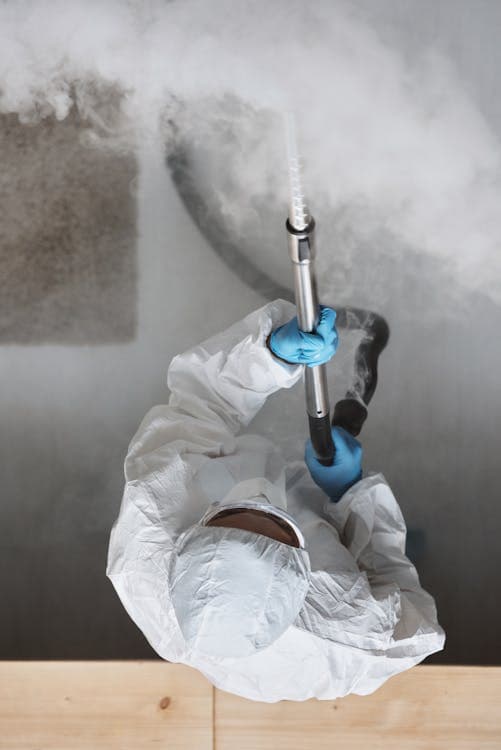
Florida's subtropical climate is a paradise—not just for people, but for pests. Unlike northern states where freezing winters wipe out insect populations, Florida's mild temperatures and year-round humidity allow pests to breed and thrive in every season. That's why one-time pest treatments often fall short for Northeast Florida homeowners.
If you've ever wondered whether quarterly pest control is actually worth the investment, you're not alone. It's one of the most common questions we hear at Bug Mechanix. Here's the honest answer from a local St. Augustine exterminator who sees what happens to homes with—and without—regular protection.
What Is Quarterly Pest Control?
Quarterly pest control means a licensed technician visits your home four times per year—roughly every three months—to inspect, treat, and prevent pest problems before they start.
A typical quarterly visit includes:
- Exterior perimeter treatment — a liquid barrier around your foundation, eaves, and entry points
- Interior inspection and treatment — checking for signs of activity and treating problem areas as needed
- Monitoring station checks — inspecting sticky traps, bait stations, and other monitoring devices
- Entry point inspection — identifying new cracks, gaps, or moisture issues that could invite pests
- Cobweb and nest removal — clearing webs and small nests from exterior surfaces
The University of Florida's IFAS Extension describes general household pest service as a cycle of "inspecting, monitoring, applying baits, servicing and maintaining traps, physical removal, and applying residual to exterior perimeter"—which is exactly what a quality quarterly plan delivers.
Why Florida Homes Need Year-Round Protection
In states with harsh winters, pest pressure drops dramatically from November through March. Florida doesn't get that break.
According to UF/IFAS entomology research, Florida's subtropical climate is "favorable for arthropod survival and reproduction, which results in a considerable number of pest problems." Warmer average temperatures speed up insect reproductive cycles, meaning pest populations remain active—and growing—twelve months a year.
Here's what that looks like season by season in Northeast Florida:
Spring (January–March Treatment)
Termite swarmers emerge in massive numbers. Fire ants ramp up foraging and mound building. Ant species like ghost ants and carpenter ants become highly active. Mosquitoes begin breeding in standing water from spring rains.
Summer (April–June Treatment)
Peak mosquito season arrives. Cockroach populations surge in the heat and humidity. Ant colonies expand aggressively. This is when pest pressure is at its highest in St. Augustine and Jacksonville.
Fall (July–September Treatment)
Rodents begin scouting for indoor shelter as the season progresses. Ghost ants, white-footed ants, and fire ants remain prevalent. American cockroaches push indoors in greater numbers.
Winter (October–December Treatment)
Rodents establish themselves inside walls and attics. Cockroaches and silverfish seek warmth in kitchens, bathrooms, and garages. Bed bug activity increases with holiday travel season.
Each quarterly treatment is timed to address the specific threats of the upcoming season—not just react to whatever's already inside your home.
The Real Cost of Skipping Prevention
One-time or reactive pest control means you're always playing catch-up. By the time you notice ants trailing across your kitchen counter or cockroaches scurrying under the fridge, the colony has been growing for weeks or months.
Consider what pest damage can cost when it goes unchecked:
- Termites cause over $5 billion in property damage annually in the United States, according to the National Pest Management Association. The average homeowner facing termite damage spends roughly $3,000 on repairs—and homeowner's insurance typically doesn't cover it.
- Cockroach allergens affect a significant portion of the population. The Asthma and Allergy Foundation of America identifies cockroach allergens as a leading asthma trigger, especially for children.
- Rodents chew through electrical wiring, insulation, and plumbing—creating fire hazards and water damage that can cost thousands to repair.
Quarterly pest control catches problems early, when they're small and inexpensive to address. It's the difference between a quick bait station adjustment and a full-scale infestation remediation.
What the EPA Says About Preventive Pest Management
The Environmental Protection Agency promotes Integrated Pest Management (IPM) as "an effective and environmentally sensitive approach to pest management." The EPA's approach follows four steps:
- Set action thresholds — know what pest levels require action
- Monitor and identify — regular inspections to catch problems early
- Prevention — eliminate conditions that attract pests
- Control — targeted treatments when needed
Quarterly pest control aligns perfectly with this framework. Regular visits ensure ongoing monitoring, early detection, and preventive treatment—exactly what the EPA recommends for long-term pest management.
Common Pests Quarterly Plans Prevent in Northeast Florida
Living in St. Augustine and the surrounding areas means dealing with a specific cast of year-round pests. A well-designed quarterly plan targets all of them:
- Ants — fire ants, ghost ants, carpenter ants, white-footed ants, and Argentine ants
- Cockroaches — American cockroaches (palmetto bugs) and German cockroaches
- Spiders — including brown recluse and black widows in garages and sheds
- Silverfish — attracted to the humidity in Florida bathrooms and closets
- Mosquitoes — perimeter treatment reduces breeding and resting populations
- Rodents — mice and rats seeking shelter, especially in fall and winter
- Occasional invaders — earwigs, centipedes, crickets, and beetles
Without regular treatment, these pests establish colonies in and around your home. With quarterly service, populations are suppressed before they reach levels you'd notice.
One-Time Treatment vs. Quarterly: What's the Difference?
A one-time treatment addresses a specific, existing problem. It kills the pests that are present right now. But it doesn't prevent new pests from moving in next month.
Think of it like this: a one-time treatment is an antibiotic. Quarterly pest control is your immune system.
Florida's climate means new pest pressure is constant. Rain creates mosquito breeding grounds. Humidity attracts cockroaches. Warm soil keeps ant colonies active. A single treatment creates a temporary barrier that breaks down over 60–90 days. Quarterly service renews that barrier before it fails.
Is Quarterly Pest Control Worth It?
For Florida homeowners—especially in Northeast Florida—the answer is yes. Here's why:
- Year-round pest pressure demands year-round protection. There's no winter die-off to do the work for you.
- Prevention is far cheaper than remediation. Catching a small ant trail costs a fraction of treating a carpenter ant colony that's been eating your door frames for six months.
- Regular inspections catch non-pest issues too. Technicians often spot moisture problems, foundation cracks, and other maintenance issues during visits.
- Peace of mind is real. Knowing your home is protected every quarter means fewer surprise infestations and emergency calls.
What to Look for in a Quarterly Pest Control Plan
Not all quarterly plans are created equal. When evaluating providers in St. Augustine, ask these questions:
- Is the treatment customized to your home? A good plan adapts to your property's specific vulnerabilities—not a generic spray-and-go.
- Does it include interior AND exterior treatment? Exterior-only plans miss pests already inside.
- Are inspections included? The inspection is often more valuable than the treatment itself.
- What's the callback policy? If pests return between visits, does the company come back at no extra charge?
- Is the technician licensed and local? Florida requires pest control technicians to be licensed. A local company knows Northeast Florida's specific pest challenges.
At Bug Mechanix, our quarterly maintenance plans are designed specifically for Northeast Florida homes. Every visit includes a full inspection, interior and exterior treatment, and monitoring—with free callbacks between visits if you see any pest activity.
Protect Your St. Augustine Home Year-Round
Florida pests don't take seasons off, and neither should your pest protection. Quarterly pest control is the most effective and economical way to keep your home pest-free in St. Augustine, Jacksonville, Nocatee, Ponte Vedra, and throughout Northeast Florida.
Ready to get started? Call Bug Mechanix at (718) 873-7908 or request a free quote to learn about our quarterly maintenance plans. We'll build a custom protection plan for your home—because in Florida, year-round protection isn't a luxury. It's a necessity.
Need Pest Control Help?
Call Bug Mechanix for fast, effective treatment in Northeast Florida.