
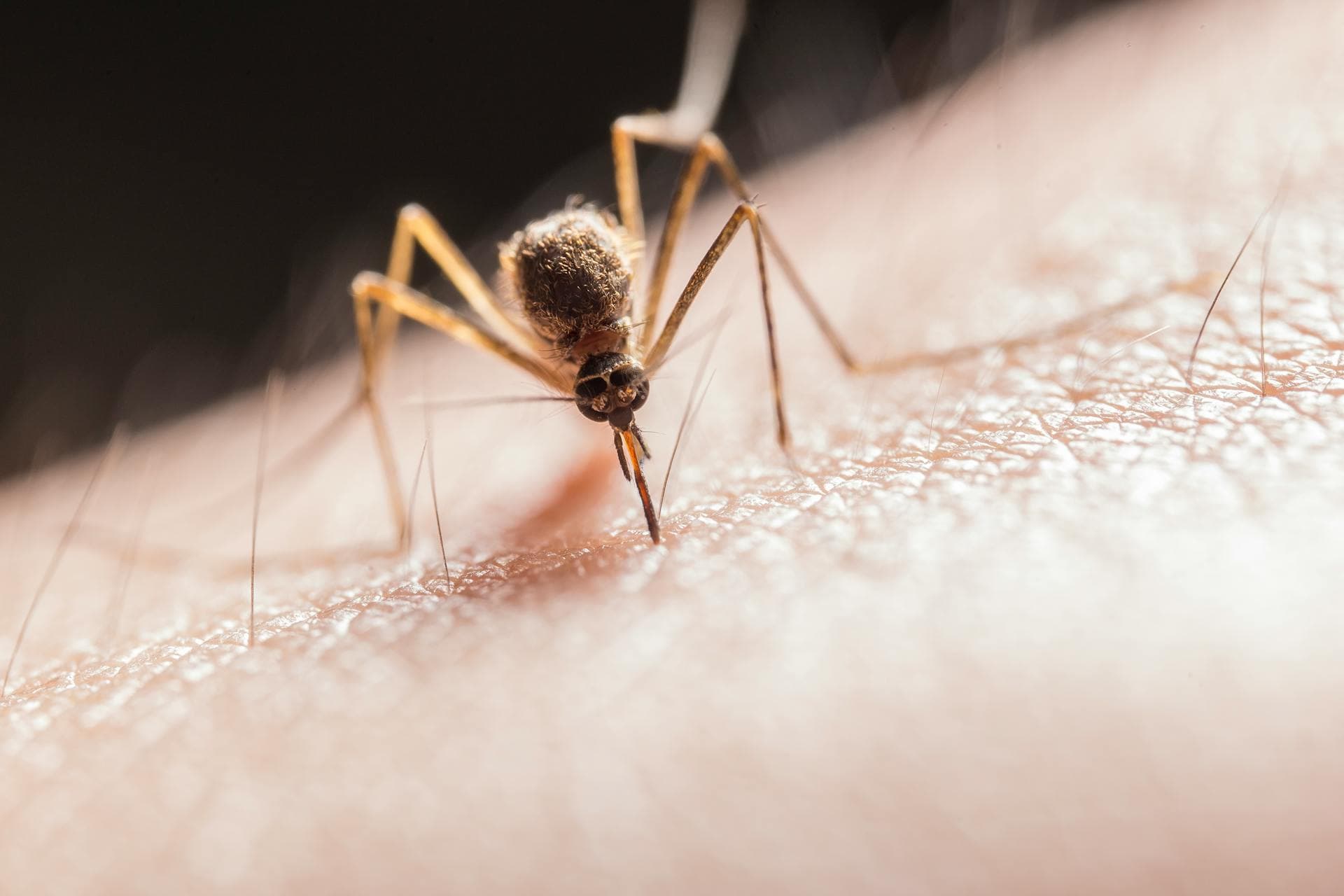
Why St. Augustine Has a Serious Mosquito Problem
If you live in St. Augustine or anywhere in St. Johns County, you already know: mosquitoes are relentless here. Florida's subtropical climate — warm temperatures, high humidity, and a rainy season stretching from June through October — creates ideal conditions for mosquito breeding year-round.
Florida is home to approximately 90 mosquito species, and that number continues to grow as new species are introduced from other parts of the world. In fact, since 2003, at least nine additional mosquito species have been reported in the state.
St. Johns County takes the mosquito threat seriously enough to operate its own dedicated agency — the Anastasia Mosquito Control District (AMCD), which services all 609 square miles of the county using helicopters, ground crews divided into 13 ground zones, and an Integrated Pest Management approach endorsed by the CDC and EPA.
But even with county-level mosquito control, your yard needs its own line of defense.
The Mosquito Species Biting You in St. Augustine
Not all mosquitoes are created equal. The species that cause the most concern in Northeast Florida are the ones that transmit diseases:
Aedes aegypti (Yellow Fever Mosquito) — Identified by distinctive black and white markings with a lyre-shaped pattern on the upper body. This species is a primary vector for dengue, chikungunya, and Zika viruses. Importantly, Aedes aegypti mosquitoes typically stay within 150–500 feet of where they hatch — meaning the mosquitoes biting you in your yard are very likely breeding in or near your property.
Aedes albopictus (Asian Tiger Mosquito) — Another aggressive daytime biter that carries dengue, chikungunya, and Zika viruses. Like Aedes aegypti, this species breeds close to where it feeds.
Culex quinquefasciatus (Southern House Mosquito) — The primary local vector of West Nile virus and St. Louis encephalitis. This species is most active at dusk and dawn.
Culex nigripalpus (Florida SLE Mosquito) — Found in all 67 Florida counties, this species is considered one of the most important mosquito vectors in the state for West Nile virus, St. Louis encephalitis, and Eastern equine encephalitis.
All three of these primary disease-vector species — Aedes aegypti, Aedes albopictus, and Culex quinquefasciatus — are non-native species introduced from the tropics.
Mosquito-Borne Diseases Are Real in Northeast Florida
This isn't hypothetical. Mosquito-borne diseases are actively reported in our region:
- Dengue: Florida reported 1,044 dengue cases in 2024, including 91 locally acquired cases across ten counties — the most in the continental U.S.
- West Nile Virus: 18 human cases were acquired in Florida in 2024, including cases in Duval County (which borders St. Johns County) during July, September, and October.
- Eastern Equine Encephalitis: At least 19 EEE cases were recorded in Florida horses in 2024, including cases in Duval County. EEE carries a case fatality rate as high as 90% in horses with encephalitis.
The proximity of West Nile and EEE cases in neighboring Duval County underscores that Northeast Florida is not immune to serious mosquito-borne illness.
When Is Mosquito Season in St. Augustine?
In Northern Florida, mosquito season doesn't start until early March, with populations peaking during late spring and summer. Mosquito eggs begin hatching when temperatures consistently stay above 50°F.
Florida's rainy season (June through October) amplifies mosquito populations because more standing water means more breeding sites. According to the Anastasia Mosquito Control District, mosquito growth and activity are heavily controlled by temperature and daylight hours, with populations peaking when daylight hours exceed nighttime hours.
Bottom line for St. Augustine: Expect mosquito activity from roughly March through November, with peak biting season from May through October.
How Mosquitoes Breed in Your Yard
Understanding mosquito breeding is key to controlling them. All mosquito species require standing water to reproduce — the first three life stages (egg, larva, pupa) happen entirely in water.
Here's what makes them so hard to control:
- Tiny amounts of water are enough. Mosquitoes can breed in as little as a bottlecap of standing water.
- They reproduce fast. The complete life cycle takes about two weeks but can be as short as four days in warm conditions. A female Culex mosquito lays 100–300 eggs at a time and may produce a new batch every third night.
- Eggs survive drought. Aedes mosquito eggs can survive drying out for up to eight months — and research suggests they may remain viable for one to two years in dry environments. When submerged in water again, they hatch.
- Most stay close to home. While most mosquito species fly one to three miles, the Aedes species that carry the worst diseases typically stay within 150–500 feet of their breeding site. The mosquitoes biting you in your yard are almost certainly breeding nearby.
Common breeding sites in St. Augustine yards include birdbaths, clogged gutters, potted plant saucers, kiddie pools, old tires, and any container that holds water after rain. Even a forgotten bucket behind your shed in Palencia or Nocatee can produce hundreds of mosquitoes in a week.
Professional Mosquito Control Methods
The Anastasia Mosquito Control District and the EPA both recommend an Integrated Pest Management (IPM) approach — and that's exactly what professional mosquito control delivers:
Barrier Treatments
The most popular option for residential yards. A trained technician applies residual insecticide to vegetation, structures, and surfaces where mosquitoes rest. Studies have shown that bifenthrin barrier applications significantly reduce mosquito numbers for up to six weeks, with lab bioassays recording over 70% mosquito mortality for up to four weeks on treated leaves.
Barrier treatments are typically reapplied every 3–4 weeks during peak season to maintain protection.
Larvicide Applications
Targeting mosquito larvae before they become biting adults is one of the most effective strategies. Bti (Bacillus thuringiensis israelensis) is a biological larvicide registered with the EPA in 48 products. It produces toxins that specifically target mosquito, black fly, and fungus gnat larvae — without affecting other insects, fish, birds, or mammals.
For longer-lasting control, methoprene is an Insect Growth Regulator that prevents larvae from developing into adults, with residual effects lasting 7–150 days depending on the formulation.
Source Reduction
The AMCD calls source reduction the most environmentally and economically friendly form of mosquito control. This means eliminating breeding sites: dumping standing water, fixing drainage issues, and maintaining your yard to reduce places where water collects.
What You Can Do Right Now
Before calling a professional, take these steps to reduce mosquitoes around your St. Augustine home:
- Dump standing water weekly — birdbaths, plant saucers, pet bowls, tarps, gutters, and anything that holds water
- Maintain your yard — keep grass trimmed and bushes pruned (adult mosquitoes rest in dense vegetation during the day)
- Fix drainage issues — ensure your yard drains properly, especially after afternoon thunderstorms common in St. Augustine Beach and other low-lying areas
- Screen entry points — repair window and door screens to keep mosquitoes out of your home
- Time your outdoor activities — Culex mosquitoes (West Nile vectors) are most active at dusk and dawn, while Aedes mosquitoes bite aggressively during the day
Did you know? St. Johns County residents can request free mosquito control service from the AMCD — they'll spray your backyard and inspect your property for mosquito problems at no charge. For ongoing protection beyond what the county provides, professional barrier treatments from a licensed pest control company fill the gap.
When to Call a Professional
DIY mosquito control has its limits. If you're dealing with any of these situations, it's time for professional help:
- Mosquitoes are overwhelming despite eliminating standing water
- You have a large property with multiple water features, retention ponds, or wooded areas near homes in Julington Creek or World Golf Village
- Someone in your household has a compromised immune system or is particularly vulnerable to mosquito-borne illness
- You're hosting outdoor events and need reliable, same-day mosquito reduction
- Your property borders marshland or waterways common throughout St. Johns County
At Bug Mechanix, we provide professional mosquito barrier treatments throughout St. Augustine, St. Augustine Beach, Nocatee, Ponte Vedra, and all of Northeast Florida. Our treatments target adult mosquitoes where they rest while also addressing breeding sites on your property.
Call (718) 873-7908 or request a free quote to get your yard back from the mosquitoes.
Need Pest Control Help?
Call Bug Mechanix for fast, effective treatment in Northeast Florida.