
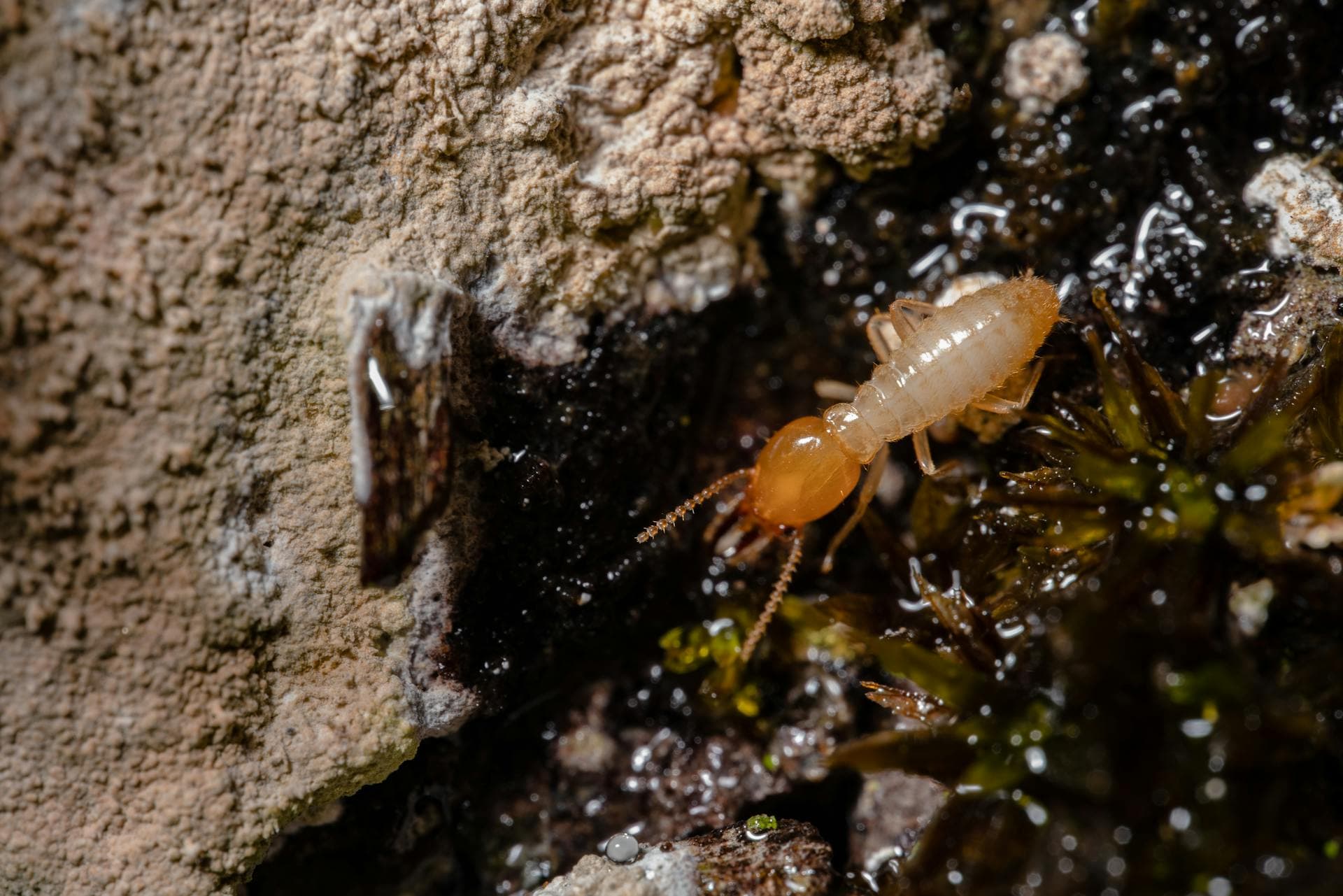
Termite season in St. Augustine is not a question of if termites are active near your home — it's a question of when you'll see the signs. Florida has the highest termite diversity in the mainland United States, with 21 recorded species including 6 invasive species. And all of St. Augustine falls within what the International Residential Code classifies as a "Very Heavy" termite infestation probability zone — the highest risk category.
If you own a home in St. Augustine, Jacksonville, or anywhere in Northeast Florida, understanding termite season is essential to protecting your property.
When Is Termite Season in St. Augustine?
Termite colonies are active year-round in Florida — they never stop eating. But "termite season" specifically refers to swarming season, the period when mature colonies produce winged reproductive termites (called swarmers or alates) that fly out to start new colonies.
According to UF/IFAS entomologists, swarming season in Florida generally runs from March through June, with different species swarming at different times:
Native Subterranean Termites (February - April)
Native subterranean termites (Reticulitermes species) are the earliest to swarm in Northeast Florida, with peak activity from February through April. These are the most common termite species in the St. Augustine area. According to UF/IFAS, both Reticulitermes flavipes and Reticulitermes virginicus are found statewide in Florida.
Swarms typically occur on warm days following rain — exactly the kind of spring weather St. Augustine gets regularly from late February onward. Swarmers are attracted to light and often appear near windows, doors, and light fixtures.
Drywood Termites (April - June)
Drywood termites don't need soil contact — they live entirely within the wood they infest. The West Indian drywood termite (Cryptotermes brevis), the most common drywood species in Florida, swarms from April through June.
Drywood termite swarms are often smaller and less noticeable than subterranean swarms. Instead of emerging from the ground, swarmers fly from infested wood — sometimes from furniture, framing, or door frames inside your own home.
Formosan Subterranean Termites (Late April - June)
Formosan termites (Coptotermes formosanus) are sometimes called "super termites" for good reason. According to UF/IFAS, a single Formosan colony can contain several million individuals — compared to several hundred thousand for native subterranean species. They also maintain a soldier ratio of 10-15% (vs. 1-2% for native species), making them more aggressive.
Formosan termites swarm in late April through June, typically at dusk. They've been documented in Duval County (Jacksonville), and their range continues to expand throughout Northeast Florida.
How to Identify Termite Swarmers
Finding swarmers — or their discarded wings — is often the first sign that a termite colony is nearby. But many St. Augustine homeowners mistake termite swarmers for flying ants. Here's how to tell the difference, according to UF/IFAS:
| Feature | Termite Swarmer | Flying Ant |
|---|---|---|
| Waist | Thick, straight — body is uniform width | Narrow, pinched waist between segments |
| Antennae | Straight, bead-like | Elbowed (bent) |
| Wings | Two pairs, equal size and shape | Two pairs, front wings larger than rear |
After swarming, termites shed their wings. Finding piles of small, translucent discarded wings on windowsills, near doorways, or in spider webs is a strong indicator that a termite colony is active nearby.
If you find swarmers or discarded wings in your St. Augustine home, don't wait. A colony mature enough to produce swarmers has been established for years and may already be causing damage. Contact a professional termite inspection service immediately.
Why Timing Your Inspection Matters
The Best Time to Inspect: Late Winter / Early Spring
The ideal time to schedule a termite inspection in St. Augustine is February or early March — before peak swarming season begins. An inspection at this time can detect existing colonies before they produce swarmers and before spring rains create the moisture conditions that accelerate termite activity.
Why You Shouldn't Wait Until You See Swarmers
By the time a colony produces swarmers, it's been established for 3 to 5 years or more. According to UF/IFAS, subterranean termite colonies must mature significantly before they invest energy in producing reproductives. That means the colony has been feeding on wood in or near your home for years before you see the first swarmer.
A proactive inspection catches colonies in their earlier stages — when damage is minimal and treatment is simpler and less expensive.
The Termite Species in Your St. Augustine Neighborhood
The specific termite threat to your home depends partly on where you live in the St. Augustine area:
Coastal Properties (32080 — Anastasia Island, St. Augustine Beach, Crescent Beach)
Homes along the coast face high humidity and salt air that accelerate wood deterioration — making them especially vulnerable to both subterranean and drywood termites. Drywood termites are particularly common in the 32080 zip code because they thrive in dry, sound wood above ground, and coastal homes often have extensive exposed wood in porches, decks, and soffits.
Historic District (32084 — Downtown, Lincolnville, Davis Shores)
Older homes with untreated lumber, pier-and-beam foundations, and decades of settling are prime targets for subterranean termites. We covered this extensively in our guide to pest control for historic homes in St. Augustine. Annual inspections are essential for any pre-1970s construction.
New Construction Areas (32081, 32092, 32095 — Nocatee, World Golf Village, Palencia)
New homes have treated lumber and modern pest barriers, but they're not immune. Construction activity disturbs soil and existing termite colonies, which can redirect to new structures. The wood debris left from construction also attracts termites to the area. New homeowners should schedule their first termite inspection within a year of moving in.
How Much Damage Can Termites Cause?
Termites are often called "silent destroyers" because they work hidden inside walls, floors, and structural members — often for years before any visible signs appear.
According to the National Pest Management Association, termites cause more than $5 billion in property damage annually in the United States. A colony of 60,000 workers can consume approximately 2.3 feet of a 2x4 board per year. Mature colonies with hundreds of thousands or millions of members cause proportionally more damage.
Formosan termites are the most destructive. Because their colonies can contain several million individuals and they forage across 1 to 1.5 acres of territory, a single Formosan colony can cause severe structural damage far faster than native species.
Insurance Won't Cover It
Standard homeowners' insurance policies do not cover termite damage. Insurance companies classify termite infestations as a preventable maintenance issue rather than a sudden or accidental event. The full cost of treatment and repairs falls entirely on the homeowner — which is why prevention and early detection are so critical.
Signs of Termite Activity to Watch For
Between professional inspections, keep an eye out for these warning signs (and read our detailed guide on 5 signs you have termites):
- Mud tubes on your foundation, crawl space walls, or along pipes — these are highways for subterranean termites traveling between soil and wood
- Discarded wings near windows, doors, or light sources — evidence of a recent swarm
- Frass (drywood termite droppings) — small, hard pellets that look like sawdust or coffee grounds, found beneath small holes in wood
- Hollow-sounding wood when you tap on door frames, baseboards, or window sills
- Bubbling or peeling paint on walls, especially near the foundation — can indicate termite moisture damage beneath the surface
- Sagging floors or sticking doors — in advanced cases, structural damage from termites can cause visible changes
What Happens During a Professional Termite Inspection?
A thorough termite inspection examines your home's most vulnerable areas:
Exterior: Foundation walls, expansion joints, utility penetrations (pipes, wires, conduit), porch supports, fence connections, landscaping ties, and any wood-to-soil contact.
Interior: Baseboards, door and window frames, closets, bathroom and kitchen areas (moisture sources), and accessible attic and crawl spaces.
What the inspector looks for: Active termite activity (live termites, fresh mud tubes), evidence of past activity (old mud tubes, exit holes, frass), moisture conditions that attract termites, and structural damage.
At Bug Mechanix, our termite inspections are free for St. Augustine homeowners. We use thorough visual inspection methods to assess your home and provide an honest recommendation — whether that's treatment, monitoring, or simply "you're in good shape."
Protect Your Home Before Termite Season Peaks
Termite season in St. Augustine starts early and lasts through summer. The proactive move is to get ahead of it:
- Schedule a professional inspection now — before March swarming begins
- Address moisture issues — fix leaky faucets, ensure gutters drain away from the foundation, improve crawl space ventilation
- Eliminate wood-to-soil contact — move mulch, firewood, and landscape timbers away from your foundation
- Consider a maintenance plan — our quarterly pest control plans include regular termite monitoring as part of comprehensive protection
Call Bug Mechanix at (718) 873-7908 to schedule your free termite inspection. We serve St. Augustine, St. Augustine Beach, Jacksonville, Nocatee, and all of St. Johns County. Don't wait for swarmers to appear — by then, the colony has been eating for years.
Need Pest Control Help?
Call Bug Mechanix for fast, effective treatment in Northeast Florida.