
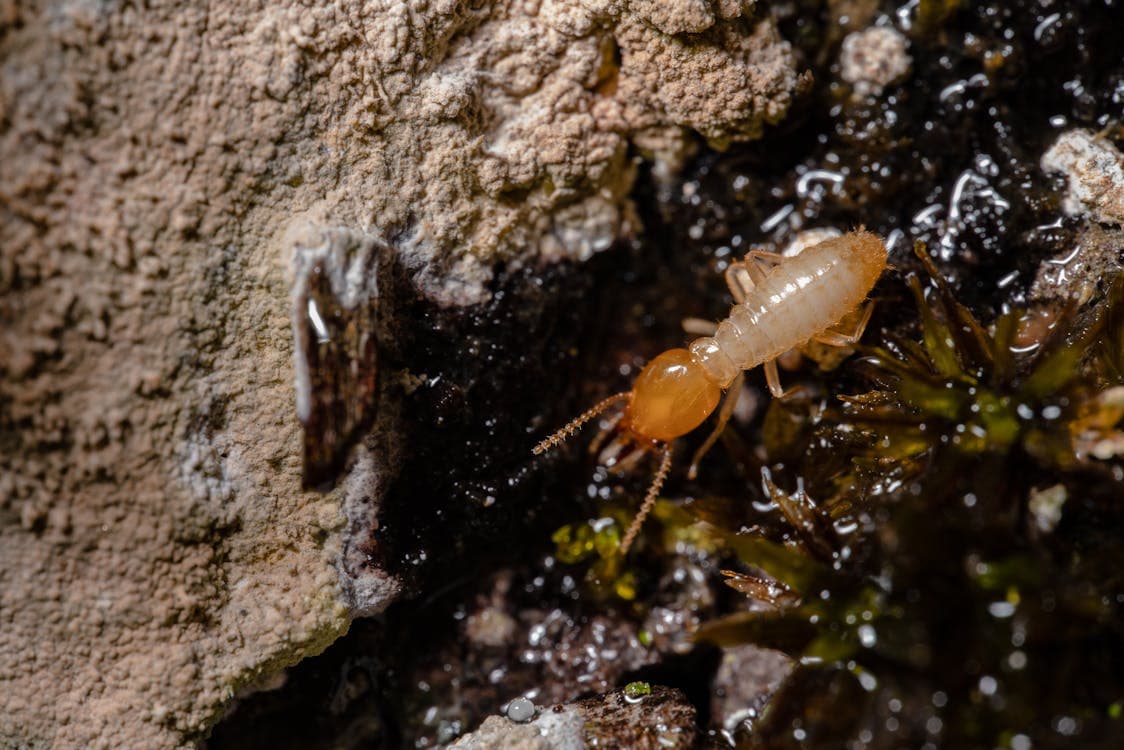
Florida is ground zero for termite activity in the United States. The state sits in the highest termite risk zone (TIP Zone 1—"very heavy" probability of infestation) according to the International Residential Code, and Northeast Florida homeowners deal with multiple termite species year-round.
But here's what many homeowners don't realize: not all termites are the same. The two main types found in St. Augustine and Northeast Florida—subterranean termites and drywood termites—behave differently, cause different kinds of damage, and require completely different treatment approaches. Misidentifying which type you're dealing with can mean wasted money on the wrong treatment.
Here's everything you need to know to tell them apart and protect your home.
The Three Termite Species in Florida
According to the University of Florida's IFAS Extension, Florida is home to three primary termite threats:
*1. Eastern Subterranean Termite (Reticulitermes flavipes)*
The most common and widespread termite in North America. This is the species most St. Augustine homeowners will encounter. They live in underground colonies and must maintain contact with soil moisture to survive.
*2. Formosan Subterranean Termite (Coptotermes formosanus)*
An invasive species sometimes called the "super termite." Formosan termites are present in North Florida but more concentrated in South Florida and along the Gulf Coast. Their colonies can contain several million workers—far more than Eastern subterraneans—and they build moisture-retaining carton nests that allow them to survive above ground without direct soil contact.
*3. Drywood Termites (Cryptotermes brevis and Incisitermes snyderi)*
Drywood termites live entirely inside the wood they eat. They don't need soil contact or external moisture, which means they can infest any wooden structure in your home—from roof framing and door frames to furniture and picture frames.
Subterranean vs. Drywood: Key Differences at a Glance
Understanding the differences between these species is critical for proper identification and treatment:
| Feature | Subterranean Termites | Drywood Termites |
|---|---|---|
| Colony location | Underground in soil | Inside the wood itself |
| Colony size | 60,000 to several million workers | 1,000 to 10,000 workers |
| Moisture needs | Requires soil moisture contact | No external moisture needed |
| Damage signs | Mud tubes on foundations | Fecal pellets (frass) pushed out of wood |
| Wood damage pattern | Along the grain, with soil/mud in galleries | Along and across the grain, smooth clean galleries |
| Entry method | From ground up through foundation | Swarmers fly directly to wood, often through attic vents |
| Swarming season | January through April (daytime, after rain) | April through November (often at dusk, near lights) |
How to Identify Subterranean Termites
Subterranean termites are the most destructive termite species in the United States, accounting for approximately 80% of all termite damage costs according to the National Pest Management Association.
Signs of Subterranean Termite Activity
Mud tubes: This is the signature sign. Subterranean termites build pencil-width tubes made of soil, wood particles, and saliva along foundations, in crawl spaces, and on interior walls. These tubes protect them from air exposure and predators as they travel between their underground colony and your home's wood.
Hollow or damaged wood: Subterranean termites eat wood along the grain, creating a honeycomb pattern inside structural timbers. The damaged wood often contains traces of soil or mud within the galleries.
Swarmers in spring: Eastern subterranean termite swarmers emerge on warm days following rain, typically between January and April in Northeast Florida. They're dark brown or black, about 3/8 inch long with wings, and are often mistaken for flying ants. If you see swarmers inside your home, that usually indicates an active colony nearby. Check out our guide on 5 signs you have termites for more details.
Moisture damage: Because subterranean termites bring moisture with them, you may notice bubbling paint, warped wood, or what appears to be water damage in areas where they're feeding.
Where to Check in St. Augustine Homes
Focus your inspections on areas where wood contacts or is close to soil: foundation walls, porch supports, deck posts, door frames at ground level, and any wood in crawl spaces. In historic St. Augustine homes—especially those in Lincolnville, Davis Shores, and the downtown Historic District—older construction methods often placed wood closer to soil than modern building codes allow, creating ideal conditions for subterranean termites.
How to Identify Drywood Termites
Drywood termites cause less total damage than subterranean species, but they're sneakier. Because they live entirely inside wood with no soil connection, they can be harder to detect until the infestation is well established.
Signs of Drywood Termite Activity
Frass (fecal pellets): This is the telltale sign. Drywood termites push their fecal pellets out of tiny kick-out holes in the wood. These pellets are hard, hexagonal in shape (visible under magnification), and look like fine sawdust or coffee grounds. Finding small piles of frass below wooden surfaces is the most reliable indicator of a drywood infestation.
Kick-out holes: Tiny holes (about 1–2mm) in wood surfaces where termites expel frass. You may see these in door frames, window sills, baseboards, or furniture.
Swarmers at dusk: Drywood termite swarmers are reddish-brown and slightly larger than subterranean swarmers. They typically emerge from April through November, often at dusk and are strongly attracted to lights. In St. Augustine, you may see them around porch lights and windows during warm evenings.
Blistering wood: The surface of infested wood may appear blistered or have thin spots where termites have eaten close to the surface.
Where to Check in St. Augustine Homes
Drywood termites enter homes through attic vents, roof eaves, and any exposed wood on upper stories. Check attic framing, roof trusses, window and door frames (especially upper floors), wooden furniture, and picture frames. Coastal homes in St. Augustine Beach, Anastasia Island, and Vilano Beach can be particularly vulnerable due to the combination of older wood construction and salt air that can mask early damage signs.
Why Treatment Approaches Are Completely Different
This is where identification really matters. Using the wrong treatment method wastes money and leaves the infestation active.
Treating Subterranean Termites
Because subterranean termites live in the soil and travel to your home, treatment focuses on breaking that soil-to-wood connection:
- Liquid soil treatments: Products like fipronil (Termidor) are applied to the soil around your foundation, creating a treated zone that kills termites as they pass through. This is the most common and effective treatment for Eastern subterranean termites.
- Bait station systems: Stations installed in the ground around your home's perimeter contain cellulose bait laced with slow-acting insecticide. Worker termites carry the bait back to the colony, eventually eliminating it. Systems like Sentricon and Trelona are widely used.
- Pre-construction treatment: For new builds in areas like Nocatee, World Golf Village, and Palencia, soil treatment before the foundation is poured provides long-term protection.
Treating Drywood Termites
Because drywood termites live inside the wood itself—with no soil connection to target—treatment requires a fundamentally different approach:
- Whole-structure fumigation: For widespread drywood infestations, the entire home is tented and filled with vikane gas that penetrates all wood. This is the only method that reliably eliminates all drywood termites throughout a structure.
- Localized spot treatments: For limited infestations caught early, injectable foams and borate treatments can be applied directly into infested wood without whole-house fumigation.
- Borate wood treatments: Preventive application of borate solutions to exposed wood (especially in attics) creates a lasting deterrent against drywood termite colonization.
Swarming Seasons: When to Watch for Each Type
Knowing when each species swarms helps you identify which type you're dealing with:
- Eastern subterranean termites: January through April, typically during daytime hours after warm rain. Peak swarming season in St. Augustine is March and April.
- Formosan subterranean termites: May through June, usually in the evening. They're strongly attracted to lights and often swarm in large numbers.
- Drywood termites: April through November, with peak activity in late summer. They typically swarm at dusk and are drawn to light sources.
If you see swarmers, try to collect a few in a plastic bag or jar. The physical differences—particularly antenna shape, wing length, and body size—help your pest control technician confirm the species and recommend the right termite treatment approach. For more on seasonal timing, read our guide on termite season in St. Augustine.
Protecting Your St. Augustine Home from Both Types
Because Northeast Florida has both subterranean and drywood termites, comprehensive protection means addressing both threats:
- Schedule annual termite inspections. A trained technician can identify signs of both species that homeowners often miss. Bug Mechanix offers free termite inspections throughout St. Augustine and Northeast Florida.
- Maintain a soil treatment barrier. This is your primary defense against subterranean termites—the species responsible for the vast majority of damage.
- Reduce wood-to-soil contact. Keep mulch, soil, and debris at least 6 inches below any exterior wood. Ensure crawl space wood has adequate clearance from the ground.
- Address moisture issues promptly. Fix leaky pipes, improve drainage, and repair any areas where water accumulates near your foundation. Moisture attracts subterranean termites.
- Inspect attic wood regularly. Look for frass piles and kick-out holes that indicate drywood activity—especially if your home is near the coast.
- Consider a quarterly maintenance plan. Regular pest control maintenance includes termite monitoring as part of each visit, catching new activity early.
Termites cause over $5 billion in property damage annually in the U.S., according to the NPMA—and standard homeowner's insurance doesn't cover it. In a high-risk area like St. Augustine, early detection and proper treatment aren't optional. They're essential.
Think you might have termites? Call Bug Mechanix at (718) 873-7908 for a free inspection. We serve St. Augustine, Jacksonville, Ponte Vedra, Nocatee, World Golf Village, and all of Northeast Florida. We'll identify exactly what species you're dealing with and recommend the right treatment—not a one-size-fits-all approach.
Need Pest Control Help?
Call Bug Mechanix for fast, effective treatment in Northeast Florida.