
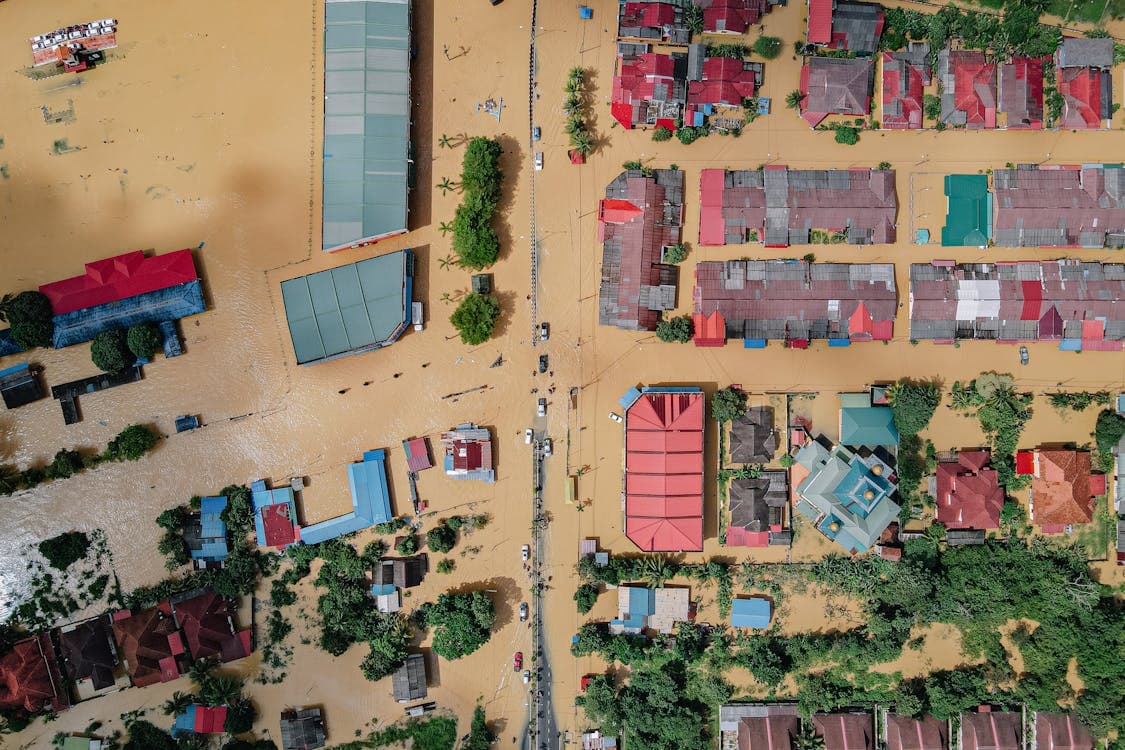
Florida's hurricane season runs from June 1 through November 30 every year. For Northeast Florida homeowners in St. Augustine, Jacksonville, and the surrounding areas, that means six months of potential storms, flooding, and wind damage.
But there's a pest control angle to hurricane season that many homeowners overlook: storms don't just damage structures—they displace entire pest populations and create conditions that lead to major infestations in the weeks and months that follow.
Understanding how hurricanes affect pest behavior—and what you can do before and after a storm—can save you thousands in pest damage on top of the storm damage itself.
How Hurricanes Change Pest Behavior
When a hurricane or tropical storm hits, it disrupts the natural habitats where pests live. Flooding forces ground-dwelling insects and rodents to seek higher ground. Wind damage exposes homes to new entry points. And the standing water left behind creates ideal breeding conditions for mosquitoes.
The University of Florida's IFAS Extension confirms that flooding forces ants, cockroaches, rodents, and even snakes into structures as they flee rising water. This isn't gradual—it happens during and immediately after the storm, meaning pests can invade your home while you're still dealing with the immediate aftermath.
Here are the specific pests that surge during and after hurricane season in Florida.
Fire Ants: Floating Colonies Are Real
One of the most dangerous post-hurricane pest threats in Florida is something many people don't know about until they see it: fire ant rafts.
When floodwaters rise, red imported fire ant colonies (Solenopsis invicta) don't drown. Instead, the ants link their bodies together to form living rafts that float on the surface of floodwater. These rafts can contain hundreds of thousands of ants—including the queen—and they drift until they make contact with dry land, a tree, a fence, or your home.
This behavior is well-documented by both UF/IFAS Extension and Texas A&M AgriLife Extension, which extensively documented floating fire ant colonies during Hurricane Harvey flooding in 2017.
What this means for homeowners: After flooding, be extremely cautious walking through standing water or touching floating debris. Fire ant rafts will attach to anything they contact, and the ants will sting aggressively. If a raft contacts your home's exterior, the colony can establish itself in your walls or yard within days.
If you spot fire ant rafts or new mounds after a storm, don't attempt to treat them yourself—contact a professional for ant control treatment immediately.
Mosquitoes: The 7-to-10-Day Surge
After any hurricane or tropical storm, mosquito populations explode. The reason is simple: standing water.
According to the CDC's post-hurricane guidance, standing water left by flooding creates massive mosquito breeding grounds. Female mosquitoes lay eggs in as little as a bottle cap of water, and within 7 to 10 days after a storm, new mosquito populations emerge in enormous numbers.
In Northeast Florida, this is compounded by our existing mosquito pressure. St. Augustine's marshes, waterways, and subtropical humidity already support robust mosquito populations. Add hurricane flooding and you get conditions that can make outdoor living miserable—and raise the risk of mosquito-borne illnesses.
Post-storm mosquito prevention:
- Eliminate all standing water within 48 hours: clogged gutters, plant saucers, tarps, buckets, tires, anything that holds water
- Check for water accumulation in areas damaged by the storm—damaged roofing, displaced downspouts, pooling in foundation cracks
- Report large standing water areas (flooded lots, ditches, retention ponds) to your local mosquito control district
- Consider professional mosquito control treatment for your yard to knock down populations before they peak
Rodents: Displaced and Looking for Shelter
Hurricanes flood rodent burrows, destroying their underground nests and food sources. Rats and mice are strong swimmers, but they'll immediately seek higher ground and dry shelter—which often means your home.
Storm damage makes this easier for them. Roof damage, displaced soffits, broken vent screens, and foundation cracks from storm impact all create new entry points that didn't exist before the hurricane. A mouse can fit through a gap the size of a dime, and a rat only needs a hole the size of a quarter.
Post-hurricane rodent warning signs:
- Droppings in attic, garage, or along baseboards
- Scratching or scurrying sounds in walls or ceiling, especially at night
- Gnaw marks on food packaging, wires, or wood
- Nesting material (shredded paper, insulation, fabric) in hidden areas
If your home sustained any roof or structural damage during a storm, have a rodent control professional inspect for entry points before you seal up repairs. You don't want to trap rodents inside your walls. For more on rodent behavior in Northeast Florida, read our complete guide to rodent control.
Cockroaches: Rising from the Drains
American cockroaches—the large reddish-brown ones Floridians call "palmetto bugs"—live in storm drains, sewer systems, and underground spaces. When those systems flood during a hurricane, cockroaches are forced up and out, emerging through drain pipes, toilets, and any opening they can find.
German cockroaches, which prefer indoor environments, also become more active after storms as humidity increases inside damaged structures. Moisture from roof leaks, broken windows, and flooding creates the warm, wet conditions German cockroaches need to reproduce rapidly.
Prevention tips:
- Cover drains with mesh screens during and immediately after storms
- Fix any plumbing damage as quickly as possible
- Run dehumidifiers in water-damaged areas to reduce moisture
- Seal gaps around pipes and utility lines entering your home
Learn more about cockroach behavior and treatment in our palmetto bug guide.
Termites: The Slow-Burning Threat
While termites aren't an immediate post-hurricane concern the way ants and mosquitoes are, storm damage creates long-term conditions that make termite infestations far more likely.
Moisture-damaged wood is dramatically more attractive to subterranean termites. Roof leaks, water intrusion through damaged walls, and flooding in crawl spaces create exactly the damp wood conditions termites seek. If storm damage isn't properly dried and repaired, termite activity can begin within weeks.
Additionally, wind damage to your home's exterior can break the physical barriers (paint, sealant, flashing) that help keep termites out of structural wood. Any exposed, untreated wood is an invitation.
Post-hurricane termite prevention:
- Address all moisture damage immediately—dry out affected areas within 48 hours if possible
- Replace or treat any wood that was submerged in floodwater
- Inspect your foundation for new mud tubes after the water recedes
- Schedule a professional termite inspection within 30 days of any significant storm. Bug Mechanix offers free termite inspections throughout the St. Augustine area.
Pre-Hurricane Pest Preparation Checklist
The best time to address hurricane-related pest risks is before the storm hits. Here's what to do as hurricane season approaches—or when a storm is in the forecast:
Exterior Preparation
- Seal entry points: Caulk cracks around windows, doors, and foundation. Install door sweeps on exterior doors. Repair any gaps in soffit and fascia.
- Trim vegetation: Cut back tree branches and shrubs that touch or overhang your home. These serve as pest highways during storms.
- Remove debris: Clear yard debris, woodpiles, and leaf litter that provide pest harborage. Store firewood at least 20 feet from your home.
- Secure trash: Use trash cans with tight-fitting lids. Bring cans into a garage or enclosed area before the storm.
- Eliminate standing water: Clean gutters, fix drainage issues, and remove items that collect water—birdbaths, plant saucers, old tires, buckets.
Interior Preparation
- Store food in sealed containers: Pests that enter during the storm will immediately seek food sources. Airtight containers deny them access.
- Seal interior gaps: Check around pipes, utility lines, and vents for gaps that could allow pest entry from walls and crawl spaces.
- Elevate items in low-lying areas: If your garage or lower level could flood, elevate stored items and food off the ground.
Professional Preparation
- Schedule a pre-hurricane treatment: A perimeter treatment before storm season creates a chemical barrier that helps repel pests driven toward your home by rising water and wind.
- Ensure your quarterly maintenance plan is current: Homes with active pest prevention have fewer post-storm infestations because barriers are already in place.
Post-Hurricane Pest Response
After the storm passes and it's safe to inspect your property:
- Survey carefully before cleanup. Look for fire ant rafts, wasp nests, snake activity, and other pest hazards before disturbing debris.
- Photograph pest damage. Document any pest-related damage alongside storm damage for insurance purposes.
- Eliminate standing water. This is your top priority for mosquito prevention—every container, puddle, and depression that holds water is a breeding site.
- Inspect for new entry points. Damaged roofing, siding, screens, and vents all invite pests. Note these for repair even if you can't fix them immediately.
- Check for moisture intrusion. Water-damaged areas attract termites, cockroaches, and mold. Address moisture within 48 hours when possible.
- Schedule a professional inspection. A trained technician can identify pest vulnerabilities you might miss and treat active infestations before they establish.
Protect Your Northeast Florida Home This Hurricane Season
Hurricane season in St. Augustine and Northeast Florida is about more than boarding up windows and stocking supplies. The pest pressures that follow a storm—fire ant invasions, mosquito surges, rodent intrusions, and long-term termite risks—can cause damage that compounds for months after the wind stops.
The homeowners who fare best are those with existing pest protection and a professional relationship with a local exterminator who knows their property.
Call Bug Mechanix at (718) 873-7908 to schedule a pre-hurricane season inspection and treatment. We serve St. Augustine, St. Augustine Beach, Jacksonville, Ponte Vedra, Nocatee, World Golf Village, and all of St. Johns County. Let's make sure your home is protected—inside and out—before the first storm of the season.
Need Pest Control Help?
Call Bug Mechanix for fast, effective treatment in Northeast Florida.